Best strategies for mastering Bookkeeping Calgary using modern tools and software
Wiki Article
Exploring the Secret Duties of an Expert Bookkeeper in Financing
The function of a specialist bookkeeper is fundamental in the domain name of financing. They are tasked with maintaining accurate economic records, handling accounts receivable and payable, and guaranteeing compliance with economic regulations. Additionally, their responsibility includes preparing economic declarations and records. Each of these obligations adds to the financial health and wellness of an organization. The nuances of their job commonly go undetected, increasing questions concerning the effect of their proficiency on wider financial approaches.Preserving Accurate Financial Records
Keeping accurate economic documents is an important duty for professional accountants. This job needs thorough interest to detail and a complete understanding of economic principles. Bookkeepers are responsible for documenting all financial deals, guaranteeing that data is tape-recorded regularly and precisely. They utilize different accountancy software and devices to streamline the recording process, which boosts efficiency and reduces the threat of errors.Routine reconciliation of accounts is necessary, allowing accountants to recognize disparities and remedy them without delay. By keeping organized and up-to-date records, they supply beneficial understandings into the monetary health and wellness of a company. This duty also encompasses the preparation of economic declarations, which offer as a significant resource for administration decision-making. Eventually, the accurate financial documents maintained by accountants sustain compliance with regulatory needs and foster trust among stakeholders, therefore adding to the overall success of the business.

Taking Care Of Accounts Payable and Receivable
Effectively taking care of accounts payable and receivable is a crucial element of an accountant's function, assuring that an organization's cash money flow stays healthy and balanced. This obligation involves monitoring outward bound and inbound settlements, which enables prompt billing and collections from clients while additionally guaranteeing that the organization fulfills its financial responsibilities to distributors and vendors.
Accountants should preserve exact documents of invoices, payment terms, and due dates, facilitating efficient interaction with financial institutions and customers. By monitoring these accounts, they can identify discrepancies or overdue accounts, making it possible for aggressive measures to fix problems prior to they escalate.
Furthermore, an accountant's duty includes reconciling accounts to guarantee that all financial transactions line up with financial institution declarations and inner documents. This persistance not just boosts financial transparency but also sustains tactical monetary planning, allowing the organization to allocate sources successfully and keep a durable monetary setting.
Making Sure Compliance With Financial Laws
While steering through the complex landscape of economic laws, an accountant plays an essential duty in ensuring a company abides by lawful standards and guidelines. This duty consists of remaining upgraded on adjustments in tax obligation laws, conformity requirements, and industry-specific regulations. Bookkeeper Calgary. By carefully tracking financial transactions and keeping precise documents, the accountant helps avoid violations that can lead to penalties or lawful problemsAdditionally, the accountant keeps an eye on internal controls to guard versus scams and mismanagement. They apply treatments that advertise transparency and responsibility within the monetary framework of the organization. Partnership with auditors and regulatory bodies further strengthens compliance initiatives, as accountants supply necessary paperwork and support during testimonials.
Eventually, the dedication to compliance not only secures the company however additionally boosts its trustworthiness with stakeholders, fostering depend on and security in its financial methods.
Readying Financial Statements and Reports
Preparing monetary declarations and reports is a critical task for accountants, as it provides stakeholders with a clear summary of a company's economic health. Bookkeeping Calgary. These records, which normally consist of the annual report, earnings declaration, and capital declaration, sum up the financial activities and setting of business over a certain duration. Bookkeepers meticulously gather, record, and organize economic data to guarantee precision and conformity with applicable bookkeeping requirementsThe Best Bookkeeping Calgary prep work procedure entails integrating accounts, verifying transactions, and adjusting entrances as essential. Through this extensive technique, bookkeepers assist ensure that monetary statements show the true state of the organization's financial resources. Furthermore, timely preparation of these reports is important for effective decision-making by management, investors, and regulatory bodies. By providing clear and precise financial documentation, accountants play a crucial duty in keeping openness and trust fund within the monetary environment of the organization.
Providing Financial Insights and Evaluation
Accountants evaluate financial information to give useful insights that inform strategic decision-making within a company. By thoroughly evaluating trends in earnings, costs, and capital, they aid determine areas for improvement and emphasize prospective risks. Best Bookkeeping Calgary. These understandings allow monitoring to assign sources better and change service methods appropriately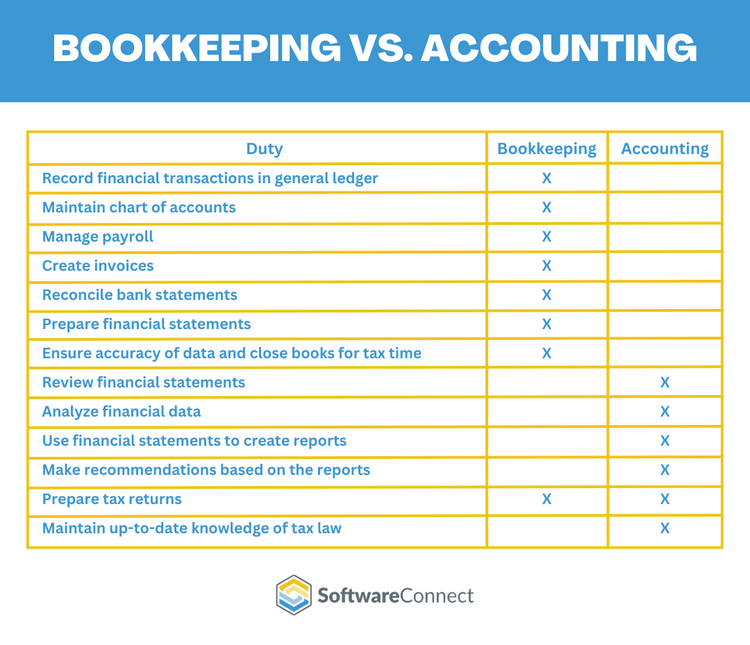
Additionally, by leveraging financial software and logical tools, accountants can provide data in a understandable and clear format, making it less complicated for decision-makers to comprehend complex economic problems. Eventually, the understandings stemmed from an accountant's analysis encourage organizations to make enlightened selections that enhance profitability and drive growth.
Frequently Asked Questions
What Software Equipment Do Expert Bookkeepers Generally Use?
Specialist accountants generally use software application tools such as copyright, Xero, Sage, and FreshBooks. These applications simplify monetary monitoring, assist in accurate record-keeping, and enhance reporting abilities, enabling effective handling of economic transactions and data analysis.Just how Does an Accountant Differ From an Accountant?
A bookkeeper largely manages everyday monetary purchases and record-keeping, while an accountant evaluates monetary information, prepares declarations, and offers calculated advice. Their roles match each various other yet concentrate on distinctive aspects of financial administration.
What Certifications Are Needed to End Up Being a Bookkeeper?
To end up being a bookkeeper, individuals usually call for a senior high school diploma, effectiveness in audit software, and knowledge of basic bookkeeping principles. Some may pursue accreditations or associate degrees to improve their credentials and work prospects.Just How Usually Should Financial Records Be Upgraded?
Financial documents must be updated regularly, preferably on a regular or daily basis, to guarantee precision and timeliness. This practice permits effective monitoring of financial tasks and supports notified decision-making within the company.Can a Bookkeeper Help With Tax Prep Work?
Yes, a bookkeeper can help with tax preparation by arranging monetary documents, guaranteeing exact paperwork, and giving required records. Their know-how helps simplify the procedure, making it simpler for tax obligation professionals to total returns successfully.They are tasked with preserving exact financial records, handling accounts receivable and payable, and guaranteeing conformity with economic regulations. Preparing financial statements and records is a critical task for accountants, as it provides stakeholders with a clear introduction of a company's economic health. With this complete strategy, bookkeepers help guarantee that monetary statements show the real state of the company's funds. By leveraging economic software and analytical tools, bookkeepers can present data in a comprehensible and clear style, making it much easier for decision-makers to comprehend complicated monetary problems. An accountant largely takes care of day-to-day economic purchases and record-keeping, while an accountant analyzes financial data, prepares declarations, and offers tactical guidance.
Report this wiki page